
HAT vs. HAT+ vs. BE-IIS HAT++
Combine without conflicts
Combine multiple hardware interfaces — without dealing with pin conflicts, overlays, or manual configuration
HAT
HAT+
HAT++
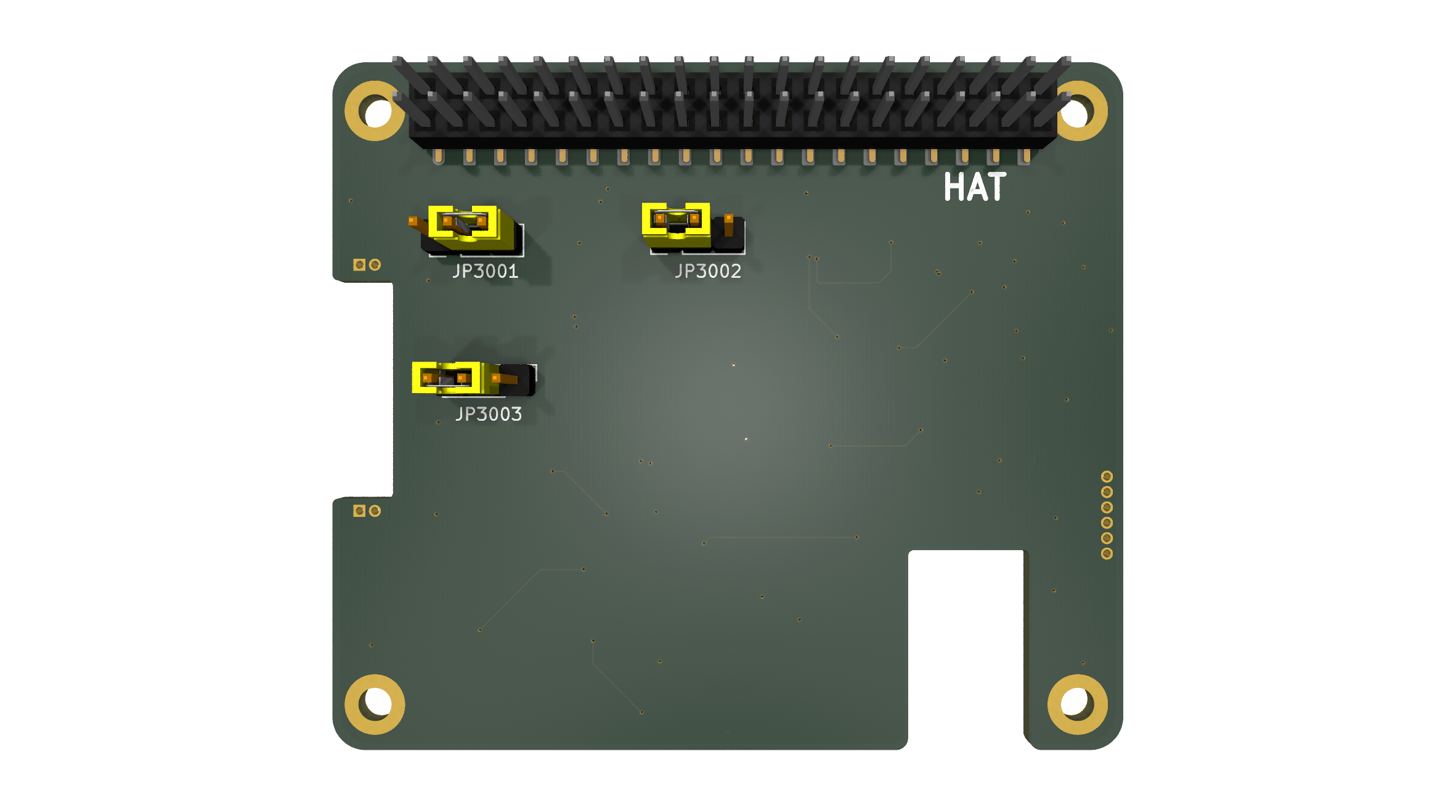
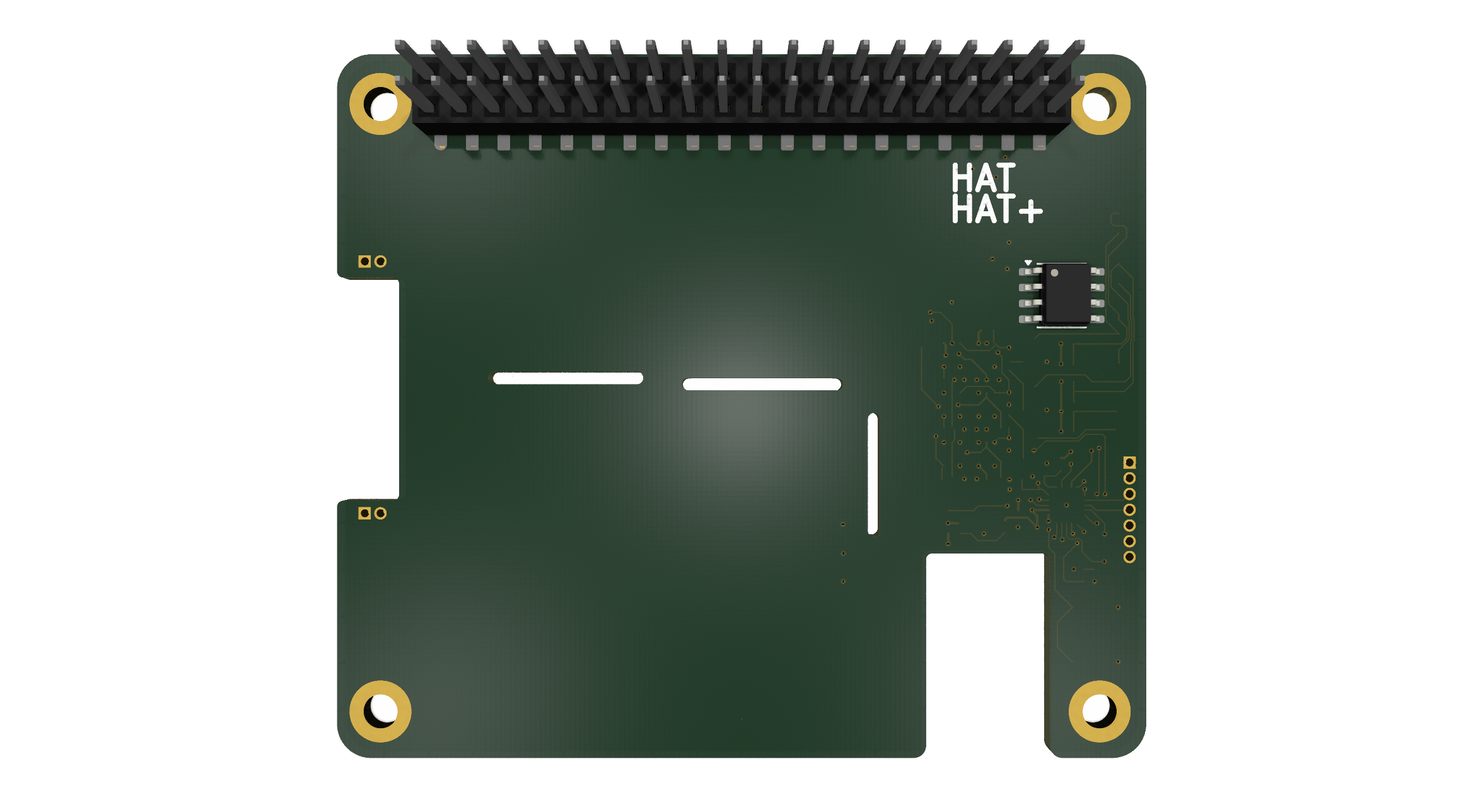
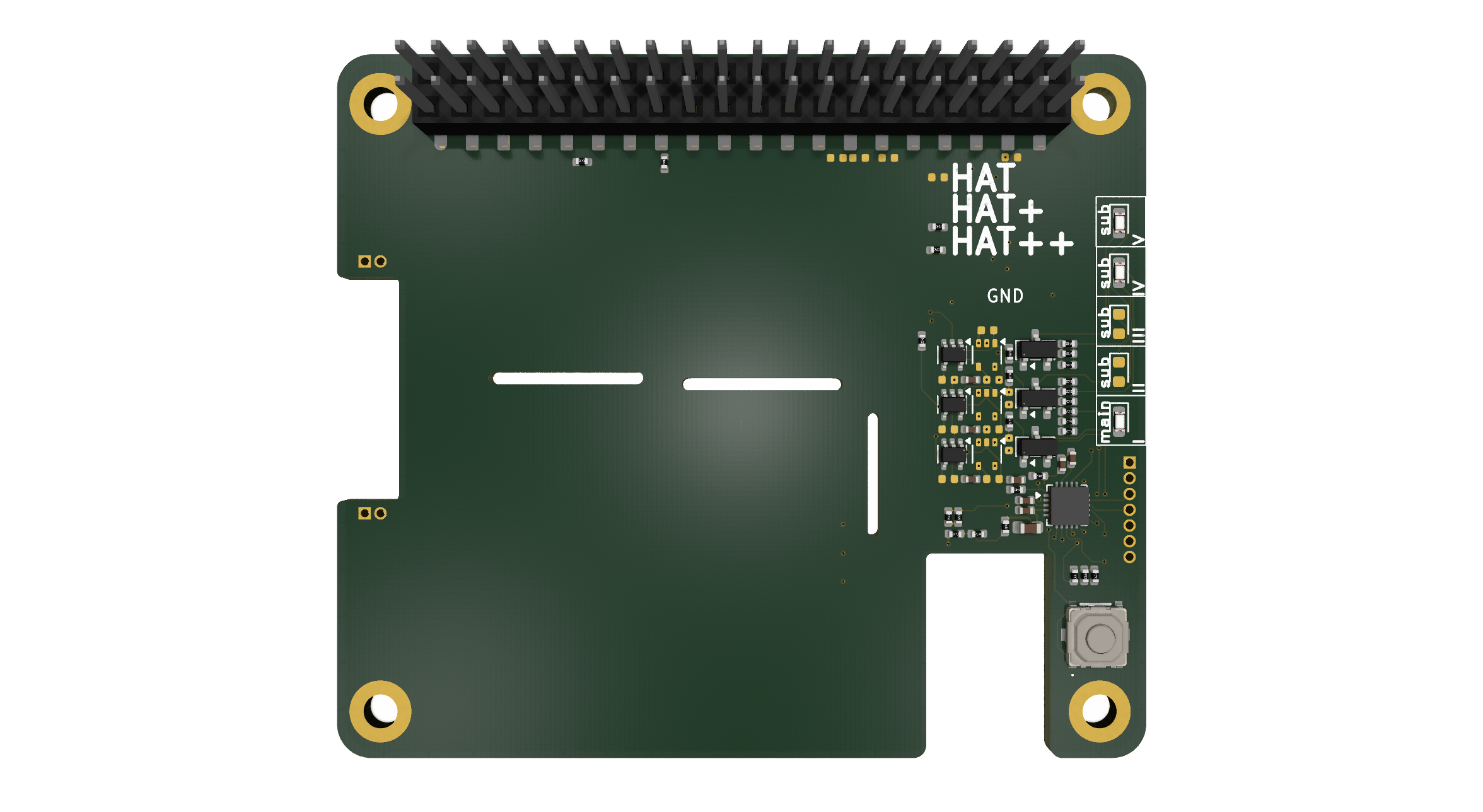
Use case
HAT
Maker / hobbyist
HAT+
IT-focused applications
HAT++

Industrial applications
Configuration
HAT
Mostly jumper-based
HAT+

One fixed configuration
HAT++
Three predefined configurations
Detection
HAT
Manual setup required
HAT+

Automatic detection
HAT++
Automatic detection
Overlay concept
HAT

Reference-based manual overlay
HAT+

Predefined overlay provided
HAT++

Fully integrated overlay concept
Stacking
HAT
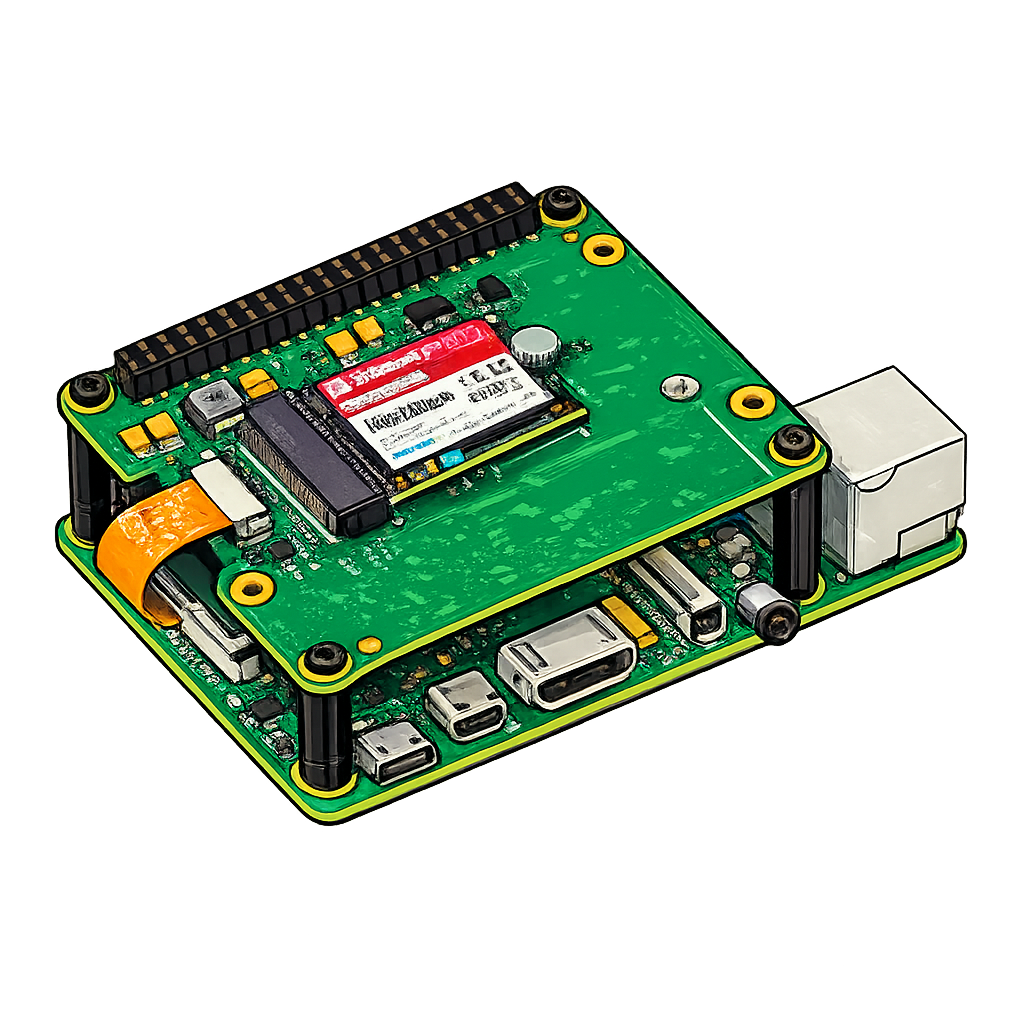
Theoretically possible, but limited
HAT+
Limited to predefined combinations
HAT++
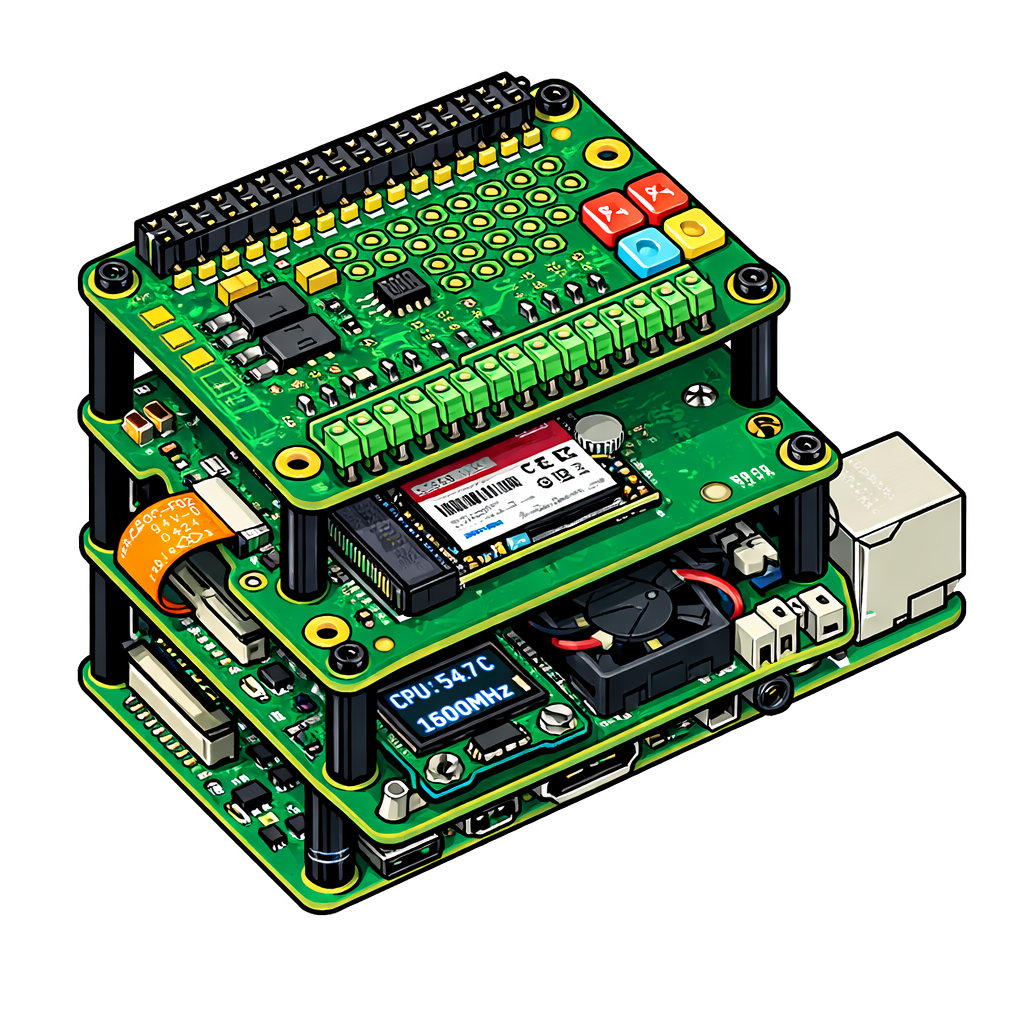
Full stacking within the BE-IIS HAT++ ecosystem
Integration effort
HAT

High effort — expert knowledge required
HAT+
Moderate effort — simplified integration
HAT++
Low effort — plug and play within ecosystem
Application note
HAT
Cost-driven solution with limited interoperability
HAT+

Balanced solution with limited stacking
HAT++
Fast integration with maximum flexibility
HAT++ transforms hardware integration from a trial-and-error process into a structured system concept.
- No pin conflicts
- No address conflicts
- No manual overlay handling
- No trial-and-error stacking
Instead, each interface is prepared, configurable, and designed to work together within the BE-IIS HAT++ ecosystem.